
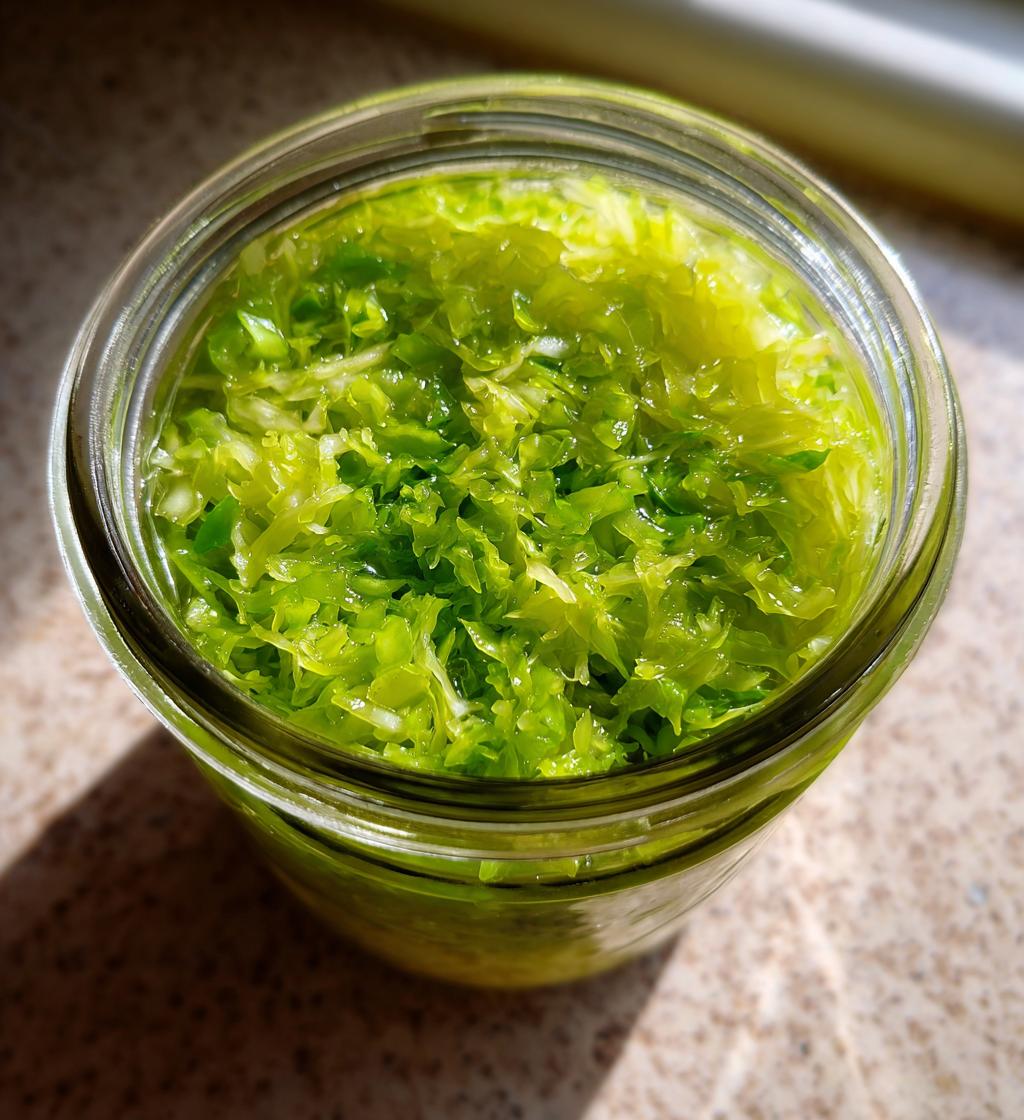
Let me tell you, making sauerkraut at home is one of the most satisfying culinary adventures you can embark on! There’s just something magical about the fermentation process—watching simple cabbage transform into a tangy, crunchy delight that bursts with flavor. The first time I tried my hand at fermenting, I was both nervous and excited. I remember standing in my kitchen, staring at the cabbage, thinking, “Can I really do this?” But once I took that leap and tasted my homemade sauerkraut, I was hooked! It’s not just delicious; it’s also packed with probiotics and nutrients that are great for gut health. Trust me, once you learn how to make sauerkraut, you’ll be eager to experiment with all sorts of flavors and variations. So let’s dive into this fun and rewarding process together!
Ingredients for How to Make Sauerkraut
Gathering the right ingredients is super important for making delicious sauerkraut! Here’s what you’ll need:
- 1 medium green cabbage, about 3 pounds
- 3 tablespoons sea salt
- 1 tablespoon caraway seeds (optional, but they add a lovely flavor!)
Make sure your cabbage is fresh and firm to the touch—this will give you the best crunch! And remember, non-iodized salt is key here; it helps with the fermentation process without interfering with that yummy tang. Let’s get ready to turn these simple ingredients into something extraordinary!
How to Prepare Instructions for How to Make Sauerkraut
Now that we’ve got our ingredients ready, let’s dive into the steps for making your very own sauerkraut! Don’t worry, it’s easier than it sounds, and I’ll guide you through every part of the process. Just follow along, and soon you’ll be on your way to that tasty, tangy goodness!
Step 1: Prepare the Cabbage
Start by removing the outer leaves of your cabbage—these can be a bit wilted or damaged, so just set them aside. Next, cut the cabbage into quarters and carefully remove the core. This step is essential because the core can be tough and isn’t great for fermentation. Trust me, you want only the tender parts for your sauerkraut!
Step 2: Shred the Cabbage
Now it’s time to shred that cabbage! You can use a sharp knife or a mandoline if you have one. Aim for thin, consistent shreds—this helps the cabbage release its juices and ferment evenly. If the pieces are too thick, they might not soften properly. I like to think of it as creating little strands of deliciousness that will soon become your favorite condiment!
Step 3: Combine Cabbage and Salt
In a large bowl, toss the shredded cabbage with the sea salt. This is where the magic begins! Using your hands, knead the cabbage for about 5 to 10 minutes. Don’t be shy; this step is crucial as it helps to break down the cabbage and encourages it to release its natural juices. You’ll notice it becoming softer and slippier—this is a good sign!
Step 4: Pack the Jar
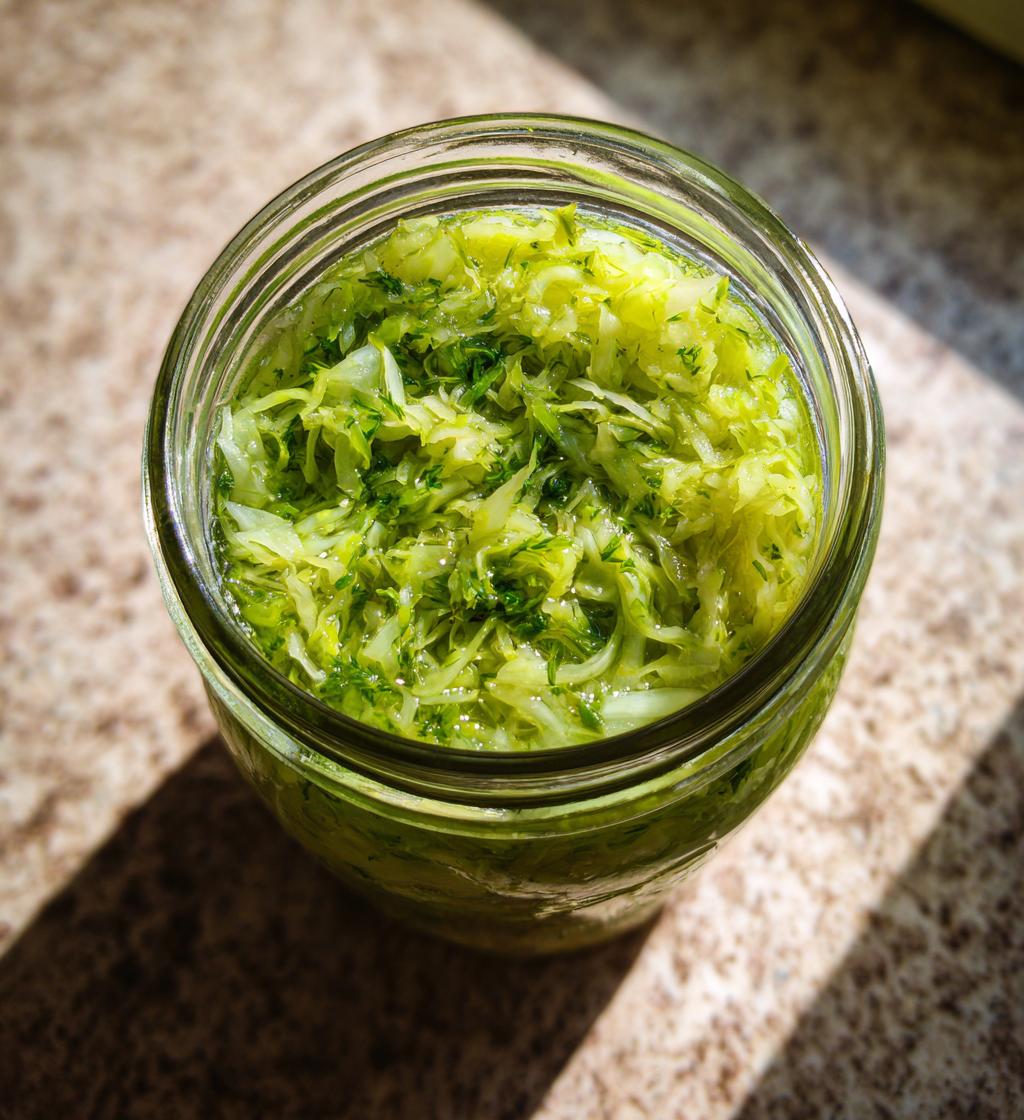
Next up, it’s time to pack the cabbage into your clean jar. Use your fist or a tamper to press the cabbage down firmly, ensuring it’s submerged in its liquid. This is so important to avoid any exposure to air, which could lead to unwanted mold! If you need to, add a weight on top—think a clean rock or a jar filled with water—to keep it submerged, and cover it with a cabbage leaf.
Step 5: Ferment and Taste
Now comes the waiting game! Leave your jar at room temperature—ideally between 65°F to 75°F (18°C to 24°C)—for about 1 to 4 weeks. The exact time will depend on your taste preferences and the temperature of your kitchen. It’s a good idea to taste it periodically; once it reaches your desired level of sourness, pop it in the fridge to slow down the fermentation. You’re almost there—can you smell the tanginess already?
Tips for Success in How to Make Sauerkraut
To ensure your sauerkraut turns out perfectly, keep a few tips in mind! First off, monitor the fermentation process closely. Temperature plays a big role; cooler environments will slow things down, while warmer spots speed it up. You want to aim for that sweet spot around 65°F to 75°F (18°C to 24°C). Also, always use non-iodized salt—it’s crucial for the fermentation to work its magic without any interference. If you see any foam or bubbles, that’s normal, but if you spot mold, don’t panic! Just scrape it off the surface and ensure your cabbage is still submerged. Regularly tasting your sauerkraut helps you gauge when it’s just right for your palate. Trust me, these little checks will lead to a delicious result!
Nutritional Information for How to Make Sauerkraut
When you whip up a batch of homemade sauerkraut, you’re not just treating your taste buds; you’re also adding a nutritious boost to your meals! Here’s a quick breakdown of the typical nutritional values per serving (about 1/4 cup):
- Calories: 10
- Fat: 0g
- Protein: 1g
- Carbohydrates: 2g
- Sugar: 1g
- Fiber: 1g
- Sodium: 300mg
These values are estimates, but they show just how wonderful this fermented treat can be for your diet. Plus, with that lovely crunch, it’s a perfect addition to salads, sandwiches, or even as a side dish!
FAQ Section on How to Make Sauerkraut
Got questions about how to make sauerkraut? Don’t worry; I’ve got you covered! Let’s tackle some of the most common queries to help you on your fermentation journey.
How long does it take to ferment?
The fermentation time for sauerkraut can vary quite a bit! Generally, you’ll want to let it sit at room temperature for about 1 to 4 weeks. Warmer temperatures will speed things up, while cooler ones will slow the process down. I recommend tasting your sauerkraut every few days until it reaches that perfect tangy flavor you love. It’s a bit of a waiting game, but so worth it!
Can I use other vegetables?
Absolutely! While this recipe focuses on cabbage, you can get creative with other veggies. Think carrots, radishes, or even beets! Just keep in mind that different vegetables might require slight adjustments in salt or fermentation time. Mixing them in with your cabbage can also create a delightful medley of flavors—don’t be afraid to experiment!
What if I see mold?
If you spot mold on the surface of your fermenting sauerkraut, don’t panic! It can happen, especially if some cabbage pieces aren’t submerged. Just scrape off the mold carefully, making sure the rest of your cabbage is still submerged in its brine. As long as there’s no off-putting smell and your cabbage looks good underneath, it should be fine. Keep an eye on it, and you’ll be enjoying your homemade sauerkraut in no time!
Why You’ll Love This Recipe for How to Make Sauerkraut
This recipe for homemade sauerkraut is not just about making a delicious condiment; it’s about embracing a healthier lifestyle and enjoying the process. Here are a few reasons you’ll absolutely love it:
- Health Benefits: Sauerkraut is rich in probiotics, which are fantastic for gut health and digestion. Learn more about the health benefits of sauerkraut here.
- Simple Ingredients: With just cabbage, salt, and optional spices, you can create something extraordinary without any fancy extras.
- Easy Preparation: The steps are straightforward, making it a perfect project for beginner fermenters or seasoned pros alike.
- Flavor Enhancement: Homemade sauerkraut adds a zesty crunch to your meals, from sandwiches to salads and everything in between.
- Customizable: You can tweak the recipe to suit your taste—add spices, mix in other veggies, or adjust the fermentation time for more tang.
Trust me, once you start making your own sauerkraut, you’ll wonder why you didn’t try it sooner!
Storage & Reheating Instructions for How to Make Sauerkraut
Once you’ve made your delicious homemade sauerkraut, you’ll want to store it properly to keep all that tangy goodness intact! Transfer your sauerkraut to an airtight container and keep it in the refrigerator, where it can last for several months. No need to reheat; it’s best enjoyed cold or at room temperature. Just scoop out what you need and savor that crunch! If you like, you can warm it up gently in a pan for a cozy side dish, but avoid overheating to maintain those precious probiotics.
How to Make Sauerkraut: 5 Steps to Tangy Perfection
- Prep Time: 20 minutes
- Cook Time: 0 minutes
- Total Time: 1-4 weeks
- Yield: 1 quart 1x
- Category: Fermentation
- Method: Fermenting
- Cuisine: German
- Diet: Vegan
Description
Learn how to make sauerkraut at home.
Ingredients
- 1 medium green cabbage, about 3 pounds
- 3 tablespoons sea salt
- 1 tablespoon caraway seeds (optional)
Instructions
- Remove the outer leaves of the cabbage and set aside.
- Cut the cabbage into quarters and remove the core.
- Shred the cabbage finely using a knife or mandoline.
- In a large bowl, combine the shredded cabbage and salt.
- Knead the cabbage for about 5-10 minutes until it releases liquid.
- Add caraway seeds if using and mix well.
- Packing the cabbage tightly into a clean jar, press down to submerge it in its liquid.
- Cover the jar with a cabbage leaf and secure with a weight if necessary.
- Leave the jar at room temperature for 1-4 weeks, tasting periodically.
- Once it reaches your desired sourness, transfer it to the fridge.
Notes
- Temperature affects fermentation time.
- Use non-iodized salt for best results.
- Keep an eye on the fermentation to prevent mold.
Nutrition
- Serving Size: 1/4 cup
- Calories: 10
- Sugar: 1g
- Sodium: 300mg
- Fat: 0g
- Saturated Fat: 0g
- Unsaturated Fat: 0g
- Trans Fat: 0g
- Carbohydrates: 2g
- Fiber: 1g
- Protein: 1g
- Cholesterol: 0mg
Keywords: how to make sauerkraut, homemade sauerkraut, fermenting cabbage